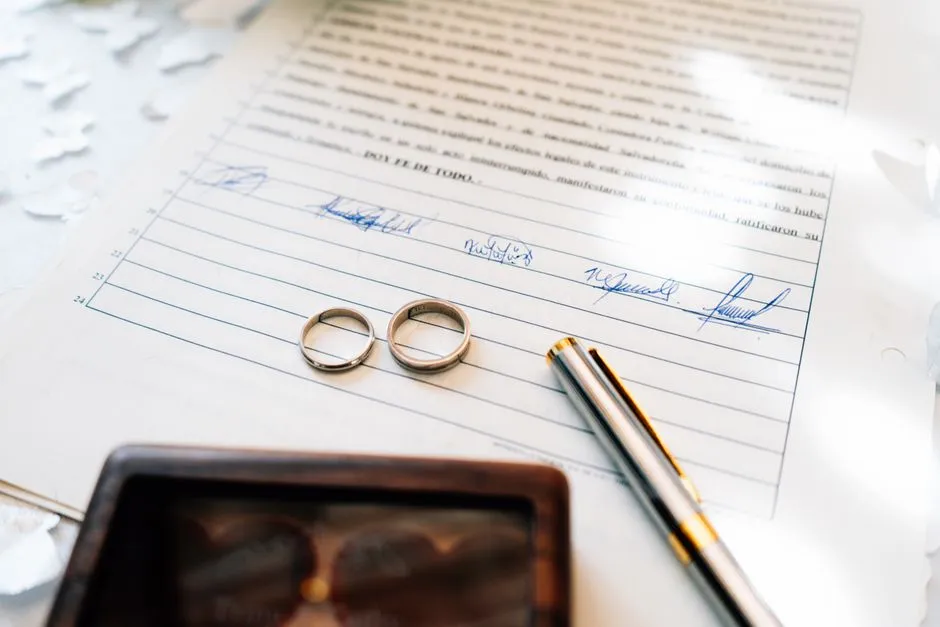
Who issues marriage licenses in the US
Marriage licenses are different from most vital records: in the majority of states, they are issued by the county clerk of the county where the license was applied for, not by the state vital records office. After the marriage is solemnized, the officiant returns the signed license to the clerk, who records it as a marriage certificate and retains it. Certified copies are then ordered from that same county clerk.
A minority of states — notably Hawaii, Nevada, and Connecticut — register marriages with the state Department of Health and will issue certified copies centrally. Most other states will issue a "verification" of marriage from the central office (a letter confirming a marriage was recorded) but require county clerk action to obtain an actual certificate. Each state page below notes the local rule.
What you'll need to provide
To order a certified marriage license, you will generally need:
- Proof of identity. A government-issued photo ID such as a driver license, state ID card, US passport, military ID, or permanent resident card. Some agencies accept a notarized application instead of an ID copy.
- Proof of relationship (when the record is restricted). Most states restrict full birth and death certificates to the registrant, immediate family, legal representatives, and certain government agencies. Be ready to identify your relationship and, in some states, attach supporting documentation (your own birth certificate, marriage certificate, or court appointment as executor).
- Specifics about the record. Full legal name on the record, date of the event, place of the event (city and county), and the names of parents (for births) or spouse (for marriages and deaths).
- The fee. Personal check, money order, or — for online and in-person requests — a credit or debit card. State fees range from about $5 to about $35 per copy, plus shipping and any expedited-service surcharge.
How long it takes
Mail-in turnaround varies enormously, from about two weeks (Vermont, North Dakota, Iowa) to nine months in some California counties. In-person and approved-online requests are almost always faster, and many states offer same-day service at the central office in the capital. If you need a record on a deadline — for example, before a passport appointment — order in person if you can, or use the state-approved online vendor.
Compare all states
Sort the table below to find the cheapest fee or the fastest typical turnaround for a marriage license across every US state and territory we cover. Figures come from the same dataset as each state page — see data sources.
| State ▲ | Fee | Typical turnaround |
|---|---|---|
| Alabama (AL) | $15 | 8-10 weeks by mail; same-day in person |
| Alaska (AK) | $30 | 4-6 weeks by mail; 1-2 weeks in person |
| American Samoa (AS) | contact high court of American Samoa | 6-10 weeks by mail |
| Arizona (AZ) | contact county clerk | 4-6 weeks by mail |
| Arkansas (AR) | $10 | 4-6 weeks by mail |
| California (CA) | $17 | 6-9 months by mail; faster from county recorder |
| Colorado (CO) | $20 | 15-25 business days by mail |
| Connecticut (CT) | $20 | 3-4 weeks by mail |
| Delaware (DE) | $25 | 6-8 weeks by mail |
| District of Columbia (DC) | contact DC Superior Court | 3-5 weeks by mail |
| Florida (FL) | $5 | 3-5 business days by mail; same-day in person |
| Georgia (GA) | $10 (1952-1996) | 8 weeks by mail |
| Guam (GU) | $5 | 4-6 weeks by mail |
| Hawaii (HI) | $10 | 8-10 weeks by mail |
| Idaho (ID) | $16 | 2-3 weeks by mail |
| Illinois (IL) | $5 (verification only) | 6-8 weeks by mail |
| Indiana (IN) | contact circuit court clerk | 6-8 weeks by mail |
| Iowa (IA) | $20 | 2-4 weeks by mail |
| Kansas (KS) | $15 | 10-12 weeks by mail |
| Kentucky (KY) | $6 | 30-35 business days by mail |
| Louisiana (LA) | $5 | 2-4 weeks by mail |
| Maine (ME) | $15 | 4-6 weeks by mail |
| Maryland (MD) | contact circuit court | 3-4 weeks by mail |
| Massachusetts (MA) | $20 | 4-6 weeks by mail |
| Michigan (MI) | $34 | 4-6 weeks by mail |
| Minnesota (MN) | contact district court | 3-4 weeks by mail |
| Mississippi (MS) | $17 | 4-6 weeks by mail |
| Missouri (MO) | $15 (1948-present) | 5-7 weeks by mail |
| Montana (MT) | contact district court clerk | 8-12 weeks by mail |
| Nebraska (NE) | $17 | 4-6 weeks by mail |
| Nevada (NV) | contact county recorder | 4-6 weeks by mail |
| New Hampshire (NH) | $15 | 2-4 weeks by mail |
| New Jersey (NJ) | $25 | 6-12 weeks by mail |
| New Mexico (NM) | contact county clerk | 4-6 weeks by mail |
| New York (NY) | $30 | 6-8 months by mail (NYC handled separately) |
| North Carolina (NC) | $24 | 5-15 business days by mail |
| North Dakota (ND) | $15 | 2-3 weeks by mail |
| Northern Mariana Islands (MP) | $20 | 4-8 weeks by mail |
| Ohio (OH) | contact probate court | 4-6 weeks by mail |
| Oklahoma (OK) | contact court clerk | 4-6 weeks by mail |
| Oregon (OR) | $25 | 3-4 weeks by mail |
| Pennsylvania (PA) | contact county clerk of orphans court | 4-6 weeks by mail |
| Puerto Rico (PR) | $2 | 6-8 weeks by mail; same-day in person |
| Rhode Island (RI) | $22 | 4-6 weeks by mail |
| South Carolina (SC) | $12 | 3-4 weeks by mail |
| South Dakota (SD) | $15 | 2-3 weeks by mail |
| Tennessee (TN) | $15 | 5-7 weeks by mail |
| Texas (TX) | $20 (verification) | 6-8 weeks by mail |
| US Virgin Islands (VI) | contact superior court | 8-12 weeks by mail |
| Utah (UT) | $20 | 3-5 weeks by mail |
| Vermont (VT) | $10 | 2-4 weeks by mail |
| Virginia (VA) | $12 | 4 weeks by mail; same-day in person |
| Washington (WA) | $25 | 4-8 weeks by mail |
| West Virginia (WV) | $12 | 4-6 weeks by mail |
| Wisconsin (WI) | $20 | 4-6 weeks by mail |
| Wyoming (WY) | $25 | 2-4 weeks by mail |
Browse marriage licenses by state
Each state link below opens a guide tailored to that jurisdiction's office, fees, processing time, and rules. We cover all 50 states and the District of Columbia.
- Alabama
- Alaska
- Arizona
- Arkansas
- California
- Colorado
- Connecticut
- Delaware
- District of Columbia
- Florida
- Georgia
- Hawaii
- Idaho
- Illinois
- Indiana
- Iowa
- Kansas
- Kentucky
- Louisiana
- Maine
- Maryland
- Massachusetts
- Michigan
- Minnesota
- Mississippi
- Missouri
- Montana
- Nebraska
- Nevada
- New Hampshire
- New Jersey
- New Mexico
- New York
- North Carolina
- North Dakota
- Ohio
- Oklahoma
- Oregon
- Pennsylvania
- Rhode Island
- South Carolina
- South Dakota
- Tennessee
- Texas
- Utah
- Vermont
- Virginia
- Washington
- West Virginia
- Wisconsin
- Wyoming
- Puerto Rico
- US Virgin Islands
- Guam
- American Samoa
- Northern Mariana Islands
Common questions
Can I order a marriage license from another state on someone else's behalf?
Sometimes. Most states allow immediate family members and legal representatives (with documentation) to order. Distant relatives, friends, and unrelated third parties typically cannot order a full certified copy of a recent record, but they may be able to order an informational or genealogical copy of an older record.
Do I need an apostille?
Only if you are submitting the certificate to a foreign government that is party to the Hague Apostille Convention. Apostilles are issued by the Secretary of State of the state that issued the certificate, not by the vital records office itself. Order the certified copy first, then send it to the Secretary of State for authentication.
Can I get a same-day copy?
In many states, yes — if you visit the central office in the state capital in person with ID and the fee. A few states also offer same-day service through approved courthouse pick-up. Mail and standard online orders almost never qualify for same-day turnaround, regardless of how much you pay.